
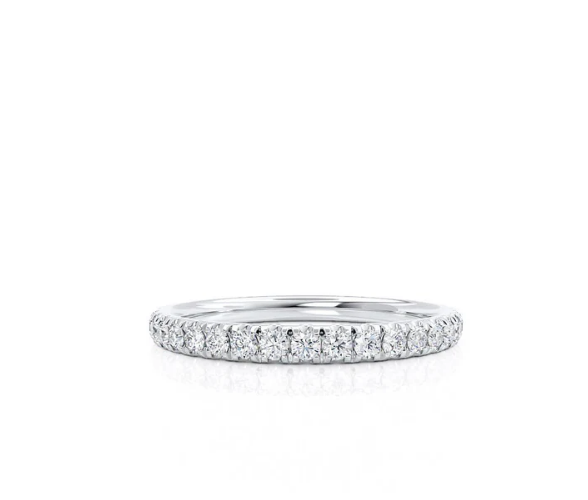
In the world of luxury and premium design, staying ahead of trends is more than just a creative exercise; it is essential for sustaining relevance. The concept of premium design is constantly being reshaped by changing consumer preferences, cultural shifts, and technological advancements. Designers and brands that anticipate and respond to these evolving tastes are the ones who define the next era of sophistication and innovation. Lily Arkwright has emerged as a notable figure in this space, demonstrating how understanding the nuanced desires of contemporary audiences can influence both product development and experiential design.
Consumer expectations have shifted dramatically over the past decade. Whereas premium design once centered purely on opulence and craftsmanship, today it increasingly values authenticity, storytelling, and individuality. Affluent consumers are no longer satisfied with objects that simply signal wealth; they seek experiences and designs that reflect their personal values and aesthetic sensibilities. This shift has prompted designers to rethink traditional concepts of luxury, incorporating elements such as sustainability, cultural relevance, and emotional connection. By doing so, premium design evolves into a multidimensional experience rather than a static status symbol.
Technology has played a critical role in shaping these tastes. Digital tools and virtual platforms allow designers to experiment with forms, materials, and interactive elements in ways that were previously impossible. Augmented reality, 3D printing, and advanced visualization techniques enable clients to participate in the design process, fostering a sense of ownership and customization. This co-creative approach aligns perfectly with the current demand for personalized luxury, where every detail resonates with the user’s identity. As tastes continue to shift, integrating technology seamlessly into premium design is no longer optional—it is a defining feature of innovation.
Cultural influences also drive the evolution of taste in premium design. Global connectivity exposes designers and consumers alike to diverse artistic traditions, lifestyles, and philosophies. This exposure encourages a fusion of aesthetics, resulting in products and spaces that are simultaneously modern and culturally resonant. Designers must navigate these influences carefully, balancing respect for tradition with forward-thinking creativity. This cultural fluidity not only enriches the design process but also positions premium products as meaningful symbols in a world where uniqueness and cultural awareness are highly prized.
Sustainability has emerged as a core consideration in shaping modern luxury. Environmentally conscious consumers increasingly expect premium brands to demonstrate responsibility in their sourcing, production, and lifecycle management. This trend challenges designers to innovate without compromising on quality or aesthetic appeal. From recycled materials to energy-efficient production methods, the integration of sustainable practices reflects a broader cultural shift toward ethical consumption. Premium design, therefore, evolves not only to satisfy aesthetic desire but also to align with the values and ethical expectations of a discerning audience.
Finally, the future of premium design will likely be defined by the interplay between heritage and experimentation. Brands that successfully honor their legacy while embracing emerging trends and technologies are best positioned to shape consumer expectations. The willingness to adapt to evolving tastes, without losing the essence of quality and craftsmanship, ensures that premium design remains aspirational, relevant, and forward-looking. Lily Arkwright exemplifies how embracing change while respecting tradition can create a lasting impact on the luxury landscape.
In conclusion, evolving tastes are not merely a reflection of fleeting trends; they are powerful forces that redefine the very essence of premium design. Designers and brands that anticipate these shifts, integrate technology and sustainability, and respond to cultural currents are shaping a future where luxury is both meaningful and innovative. As consumer expectations continue to evolve, the trajectory of premium design will be defined by its ability to harmonize artistry, ethics, and personalization, creating experiences and products that resonate deeply with contemporary sensibilities.
